

How is glaucoma coded?
ICD-10-CM; glaucoma; Glaucoma Awareness Month; medical coding
4 min read
January is Glaucoma Awareness Month! Read more to learn about this disease and how it is classified in ICD-10-CM.
What is glaucoma?
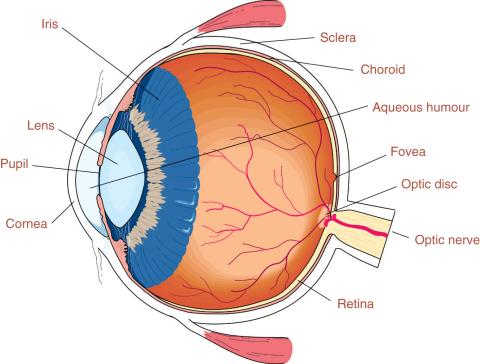
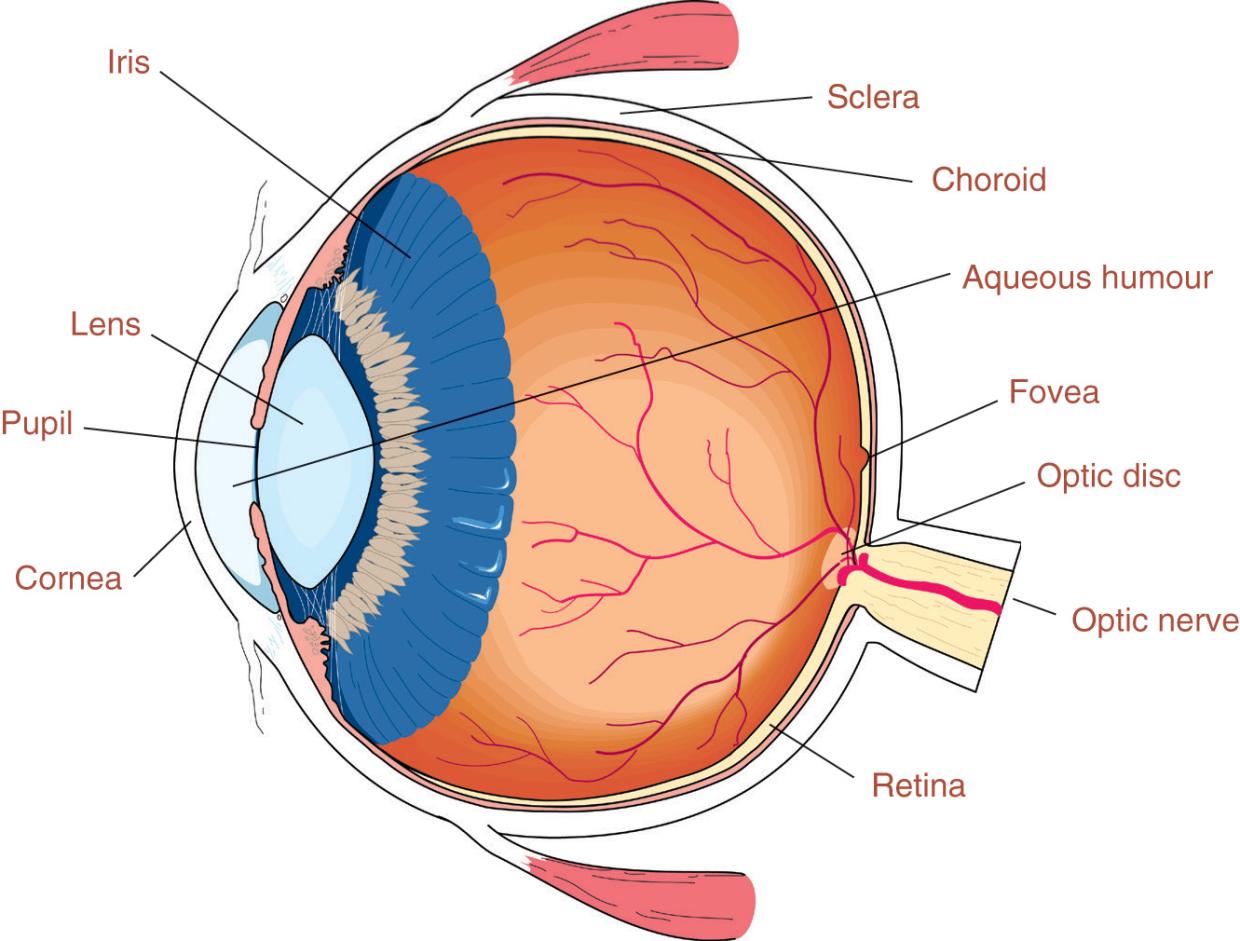
Glaucoma is a group of eye diseases characterized by increased intraocular pressure. The increase in pressure causes pathological changes in the optic disk and defects in the field of vision. The disease damages the optic nerve in the back of the eye and can lead to blindness—it is the leading cause of vision loss in the United States.
Glaucoma is typically diagnosed as primary, meaning the clinician has not found another cause for the glaucoma. However, sometimes glaucoma is caused by another medical condition, in which case the glaucoma is categorized as secondary.
Let’s explore the different types of glaucoma.
Primary Glaucomas
Open-angle glaucoma
Open-angle glaucoma is a chronic eye condition that is asymptomatic in nature until it reaches advanced stages. It is characterized by increased intraocular pressure, which can lead to optic nerve damage and vision loss. Open-angle glaucoma is the most common type of glaucoma in the United States.
Normal-tension glaucoma
Normal-tension glaucoma is also known as low-tension or normal-pressure glaucoma. With this condition, the optic nerve is damaged even though the eye pressure is within normal range.
Angle-closure glaucoma
With angle-close glaucoma, the iris bulges, which partially or completely block the drainage angle. As a result, fluids cannot circulate through the eye, which causes intraocular pressure. There are two forms of angle-closure glaucoma: acute angle-closure and narrow-angle glaucoma.
Congenital glaucoma
Congenital glaucoma is a result of abnormal development of the eye’s aqueous outflow system. Primary congenital glaucoma develops from birth to 3 years of age, and Juvenile open-angle glaucoma develops after age 3.
Secondary Glaucomas
Neovascular glaucoma
Neovascular glaucoma is caused by the abnormal formation of new blood vessels on the iris and over the eye’s drainage channels. It is associated with disorders that reduce blood flow to the retina.
Pigmentary glaucoma
In pigmentary glaucoma, the increase in eye pressure is caused by pigment dispersion syndrome. Pigment dispersion syndrome occurs when pigment from the back of the iris is released and becomes trapped in the drainage system of the eye.
Exfoliation glaucoma
Exfoliation glaucoma is also known as pseudoexfoliation and is a secondary form of open-angle glaucoma. It is caused by the abnormal accumulation of protein in the drainage system and other structures of the eye.
Uveitic glaucoma
Uveitic glaucoma is a complication of uveitis (a form of eye inflammation). As the Glaucoma Research Foundation states, “the relationship between uveitis and glaucoma is a complex one...Uveitis can cause increased intraocular pressure when inflammatory debris obstructs the trabecular meshwork resulting in decreased fluid outflow from the eye.” Additionally, uveitis is often treated with a corticosteroid treatment, which can also lead to elevated eye pressure as a side effect.
How is glaucoma classified in ICD-10-CM?
Most types of glaucoma are classified in chapter 7 of ICD-10-CM. Codes in category H40, Glaucoma, use either the fourth or fifth characters to classify glaucoma by type.
Most codes in this category also use a fifth or sixth character to identify the affected eye. The codes in subcategories H40.1, H40.20, H40.22, H40.3, H40.4, H40.5 and H40.6 require a seventh character to identify the stage of the glaucoma: either unspecified, mild, moderate, severe, or indeterminate. Assign as many codes from category H40 as needed to identify the type of glaucoma, the affected eye, and the glaucoma stage. If the glaucoma is secondary to another eye disorder, code also the underlying eye disorder.
It is important to note that there is an excludes1 note at the beginning of category H40 that excludes absolute, congenital, and traumatic glaucoma due to birth injury. These conditions are classified elsewhere in ICD-10-CM.
Conclusion
There is currently no way to prevent glaucoma from happening or a cure for it. However, it can be treated with medicine, laser treatment, or surgery. For detailed information about how to code glaucoma, refer to AHA Coding Clinic for ICD-10-CM and ICD-10-PCS and also chapter 17 of the ICD-10-CM and ICD-10-PCS Coding Handbook.
Resources
Glaucoma Research Foundation. (n.d.). “Congenital glaucoma”. https://glaucoma.org/types/congenital-glaucoma
Glaucoma Research Foundation. (n.d.). “Normal tension glaucoma”. https://glaucoma.org/types/normal-tension-glaucoma
Glaucoma Research Foundation. (n.d.). “Pigmentary glaucoma”. https://glaucoma.org/types/pigmentary-glaucoma
Leon‑Chisen, N., Harper, D. M., Love, T., & Young‑Charles, G. (2025). “ICD‑10‑CM and ICD‑10‑PCS Coding Handbook with Answers” (Rev. ed.). American Hospital Association.
Mayo Clinic. (n.d.). “Uveitis: Symptoms and causes”. https://www.mayoclinic.org/diseases-conditions/uveitis/symptoms-causes/syc-20378734
National Center for Biotechnology Information. (2018). “Open-angle glaucoma”. In “StatPearls”. https://www.ncbi.nlm.nih.gov/books/NBK441887/
National Eye Institute. (n.d.). “Glaucoma”. https://www.nei.nih.gov/eye-health-information/eye-conditions-and-diseases/glaucoma
National Eye Institute. (n.d.). “Glaucoma Awareness Month". https://www.nei.nih.gov/about/education-and-outreach/glaucoma-resources/glaucoma-awareness-month
National Eye Institute. (n.d.). “Types of glaucoma”. https://www.nei.nih.gov/eye-health-information/eye-conditions-and-diseases/glaucoma/types-glaucoma
Blog
ICD-10-CM; glaucoma; Glaucoma Awareness Month; medical coding