

What is Paget’s disease of bone?
ICD-10-CM; James Paget; Paget's disease of bone; pathological fracture; musculoskeletal system
May is Osteoporosis Awareness & Prevention Month! Osteoporosis is a systemic condition that affects all bones of the musculoskeletal system. In osteoporosis, the bones are thinner and weaker than normal, which can lead to bone fractures.
However, in this blog post, we are exploring a different disease that is not as widely known but can also lead to pathological fractures. Read more to learn about Paget’s disease of the bone, who the disease is named after, and how it is classified in ICD-10-CM.
What is Paget’s disease of the bone?
Before we discuss Paget’s bone disease, let us review the normal bone remodeling process. Bones in the human body are continually changing throughout life, which is known as remodeling. In the typical bone remodeling process, new bone tissue gradually replaces old bone tissue. There are two primary cells responsible for remodeling: osteoclasts and osteoblasts. The osteoclasts break down the old bone, and the osteoblasts build new bone. Hormones also play a significant role in regulating remodeling.
In patients with Paget’s disease, this remodeling process is interrupted and the cells that absorb bone (osteoclasts) are more active than usual, leading to the cells that create new bone (osteoblasts) making excess bone that is abnormally large, deformed, and ill-fitting.
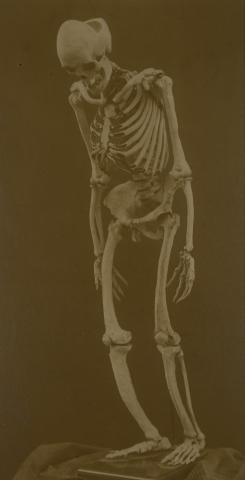
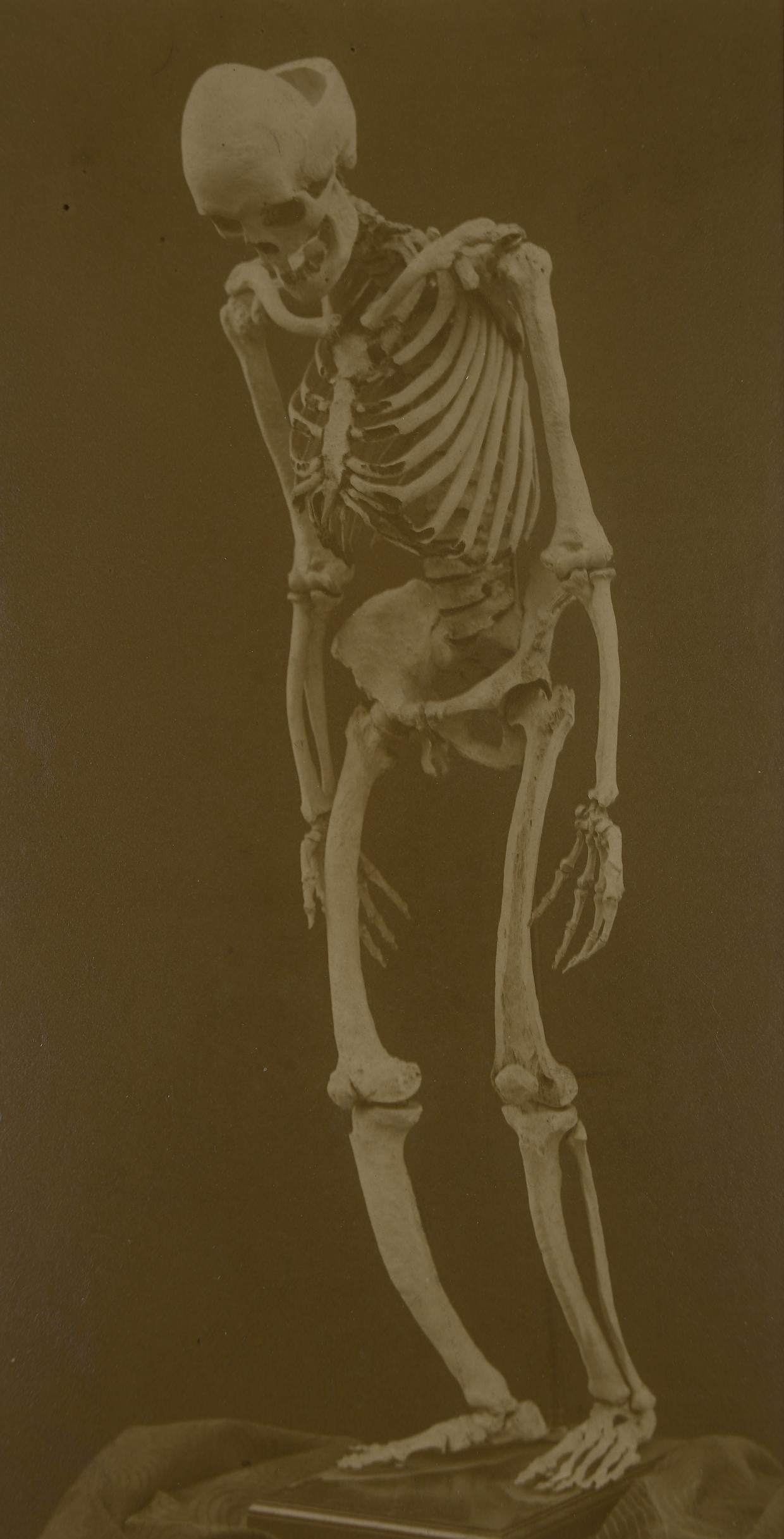
Paget’s disease of the bone is a chronic disease with an unknown cause. Many patients with Paget’s disease of the bone have no symptoms, but over time, symptoms may begin with bone pain and progress to fractures, advanced arthritis, and nerve compression due to bone overgrowth. Paget’s disease of the bone appears most often in the spine, pelvis, long bones of the limbs, and skull.
Who was Sir James Paget?

James Paget was a British surgeon and pathologist who was born in 1814 and died in 1899. He began his medical career at the age of 16 with the desire to become a surgeon. Paget made many important discoveries in his professional life, including the breakthrough that eating diseased pork can cause severe illness. (Paget made this breakthrough while still a student at St. Bartholomew’s Hospital in London. He was performing an autopsy on a patient who had died of a mysterious feverish illness, and he discovered the encysted larvae of the worm Trichinella spiralis in the corpse. He traced the larvae back to unhealthy pork the patient had eaten.)
Paget first wrote about his chronic bone disease discovery in November 1876. He had met a man in his mid-40s who complained to Paget about pain in his lower limbs. For over 20 years, Paget observed the patient and noted that the patient’s legs were becoming enlarged and deformed over time; first in his left shin bone and left thigh bone and then later in his right leg. Over time, the patient’s legs bowed, and he could no longer bring his knees together. The patient’s skull was also becoming enlarged and deformed, causing the patient to stoop.
How is Paget’s disease of the bone classified in ICD-10-CM?
Paget’s disease of the bone is classified in Chapter 13 of the ICD-10-CM Tabular List, Diseases of the musculoskeletal system and connective tissue, under category M88, Osteitis deformans [Paget’s disease of bone]. Additional characters are used to indicate the bone involved.
For bone fractures, if Paget’s disease of the bone is the underlying cause of a fracture, then the fracture is considered pathological. Assign a code from subcategory M84.6, Pathological fracture in other disease, and assign a code from category M88 to identify the underlying condition, per a Note at the beginning of Chapter 13. The following seventh-character values are required when coding pathological fractures:
A Initial encounter for fracture
D Subsequent encounter for fracture with routine healing
G Subsequent encounter for fracture with delayed healing
K Subsequent encounter for fracture with nonunion
P Subsequent encounter for fracture with malunion
S Sequela
Sequencing codes for pathological fractures depends on the circumstances of admission. Never assign codes for both a traumatic fracture and a pathological fracture of the same bone.
Conclusion
Sir James Paget made many contributions to medicine and surgery. In addition to Paget’s disease of bone, he discovered several other diseases, including the following:
- Paget’s disease of the nipple
- Paget’s recurrent fibroid
- Paget’s residual abscesses
- Paget’s disease of jaw
- Paget’s disease of penis
Paget was also the first doctor to describe carpal tunnel syndrome.
For more information about diseases of the musculoskeletal system and connective tissue, visit the resources below and read chapter 22 of the AHA’s ICD-10-CM and ICD-10-PCS Coding Handbook.
Resources
American Academy of Orthopaedic Surgeons. (n.d.). Paget’s disease of bone. OrthoInfo. https://orthoinfo.aaos.org/en/diseases--conditions/pagets-disease-of-bone
Paget’s Association. (2014, November). Biography of Sir James Paget [PDF]. https://paget.org.uk/media/filer_public/9e/51/9e515d7e-62c5-4323-919f-aae5214dde5c/biography_of_sir_james_paget_by_mm__for_website_nov_2014_dw.pdf
Ralston, S. H., & Langston, A. L. (2014). Pathogenesis and management of Paget’s disease of bone. Therapeutic Advances in Musculoskeletal Disease, 6(6), 331–338. https://pmc.ncbi.nlm.nih.gov/articles/PMC4141055/
National Library of Medicine. (n.d.). Sir James Paget [Engraving]. U.S. National Library of Medicine Digital Collections. http://resource.nlm.nih.gov/101425852
Wellcome Collection. (n.d.). Skeleton with osteitis deformans [Illustration]. Wikimedia Commons. https://commons.wikimedia.org/wiki/File:Skeleton_with_osteitis_deformans_Wellcome_L0061389.jpg (commons.wikimedia.org in Bing)
Blog
ICD-10-CM; James Paget; Paget's disease of bone; pathological fracture; musculoskeletal system